Beginners Guide to Essential Shackles for Every 2026 Adventure
As outdoor enthusiasts prepare for their adventures in 2026, understanding the essential equipment is crucial. One often overlooked piece of gear is the shackle. Shackles serve multiple purposes in various outdoor activities, from climbing to sailing, and selecting the right one can significantly impact safety and efficiency. This guide will explore the types of shackles available, their uses, and tips for choosing the best options for your adventures.
Understanding Shackles
A shackle is a metal connector primarily used to secure ropes, chains, or other equipment. Shackles come in various shapes and sizes, each designed for specific applications. The two most common types are the bow shackle and the D shackle. Understanding the differences between these types will help you select the right one for your needs.
Bow Shackles
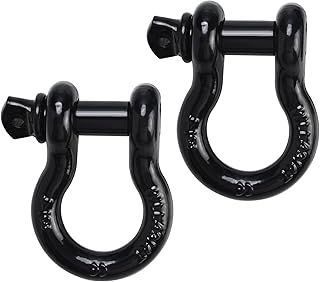
Bow shackles are characterised by their rounded shape, which allows for multiple connections at once. They are often used in marine and climbing applications due to their strength and versatility. The wide opening of a bow shackle makes it easy to connect to larger items, such as chains or ropes, making them ideal for heavy-duty tasks. When choosing a bow shackle, look for one made from high-quality materials, such as stainless steel or galvanised steel, to ensure durability and resistance to corrosion.
People Also Look For:
- Merriway BH04301 M12 Bright Zinc Plated Steel D Type Shackle, 1/2 inch
- 10mm D-Shackles Stainless Steel A4-Marine Grade (316) - for connecting Ropes, Anchors and Chains (Pack of 2)
- D Ring Shackle Lock-M10/0.4", 304 Stainless Steel D Ring for Heavy Duty Construction, Rigging, Vehicle Recovery, Hauling, Tie Down...
- D Bow Ring Shackle Locks, 304 Stainless Steel D Ring, Screw Pin Anchor Shackle for Traction Steel Wire, Heavy Duty Construction, R...
- FreeTec 3/4†Bow Shackles D Ring Shackles, 4.75 Tons (9,500 Lbs) Heavy Duty Galvanized Lifting Shackles, 2 Pack Screw Pin D ...
D Shackles
D shackles, also known as pin shackles, have a more streamlined shape and are typically used for more straightforward applications. Their design allows for a more secure connection, making them a popular choice for climbing and rigging. The pin of a D shackle can be either threaded or a screw pin, with the latter providing a more secure hold during intense activities. When selecting a D shackle, pay attention to the weight rating and ensure it is appropriate for your intended use.
Material Considerations
The material of a shackle significantly affects its performance and longevity. Stainless steel shackles are resistant to rust and corrosion, making them ideal for marine environments and outdoor activities that expose them to moisture. On the other hand, alloy steel shackles are known for their strength and are often used in heavy lifting applications. For beginners, it is advisable to opt for shackles made from stainless steel for general outdoor use, as they offer a good balance of strength and corrosion resistance.
Weight Ratings and Safety
Every shackle comes with a weight rating, which indicates the maximum load it can safely handle. It is essential to choose a shackle with a weight rating that exceeds the expected load during your adventures. For instance, if you plan to use a shackle for climbing, consider the combined weight of the climber and equipment to determine the appropriate rating. Always err on the side of caution and select a shackle that can handle more than you anticipate.
Additional Features
Some shackles come with additional features that enhance their functionality. For example, locking mechanisms can prevent accidental opening during use, providing an extra layer of security. Other shackles may feature quick-release designs, allowing for rapid setup and takedown. When shopping for shackles, consider the features that will benefit your specific activities and make them easier or safer.
Using Shackles Safely
When working with shackles, safety should always be your top priority. Before each use, inspect the shackle for any signs of wear or damage, such as bending or corrosion. Ensure that the pin is securely fastened, and never exceed the weight rating. Proper usage also includes ensuring that the shackle is correctly aligned with the load to prevent undue stress on the connection.