Your Ultimate Buying Guide for Shackles Featuring 2026 Picks
When it comes to secure lifting and towing, shackles are essential components. They are used in various industries, including construction, maritime, and recreational activities. Understanding the different types of shackles available in 2026, along with their specifications and applications, is crucial for making an informed purchase. This guide will help you navigate through the options to find the perfect shackle for your needs.
Types of Shackles
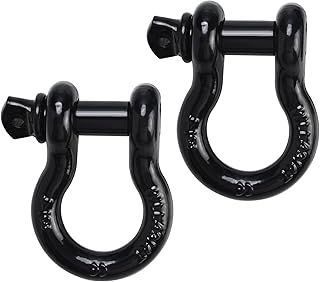
Shackles come in several types, each designed for specific applications. The most common types include D shackles, bow shackles, and screw pin shackles. D shackles are known for their strength and compact design, making them ideal for hoisting applications. Bow shackles, on the other hand, offer a larger load-bearing area and are perfect for connecting multiple rigging points. Screw pin shackles feature a removable pin that allows for easy attachment and detachment, making them a popular choice for temporary setups.
Materials Used in Shackles
The material of the shackle is a critical factor in its performance and durability. The most common materials include stainless steel and alloy steel. Stainless steel shackles are resistant to corrosion, making them ideal for marine environments or applications where exposure to moisture is a concern. Alloy steel shackles, known for their high strength-to-weight ratio, are often used in heavy lifting and industrial applications. In 2026, many manufacturers are also offering synthetic shackles made from advanced materials that combine lightweight properties with remarkable strength.
People Also Look For:
- M12 D Shackles with Screw Lock (Pack of: 2) Heavy Duty Steel Durable Hook Ring for Towing and Outdoor Activities DIYUK
- CHENKEE Snap Swivel Shackle, 2 pcs Heavy Duty Snap Shackle Stainless Steel Swivel Eye Snap Shackle Quick Release Marine Swivel Sha...
- KOHAND 6 Pcs M10 D Shackle, 3/8 Inch Stainless Steel D Shape Ring Shackle with Screw Pin Anchor, Heavy Duty Clevis Marine Shackle ...
- Tow Rope 6m20ft,10t (22,000lbs) Heavy Duty Rope with D Shackle Matching Spacer Off-Road Recovery Tow Strap High Strength Tow Ropes...
- Bow Shackle with Screw Pin 8.5 Ton (Lifting Towing Galvanised Steel 8500KG)
Weight Capacity and Safety Ratings
Each shackle comes with a specified weight capacity, which is crucial for ensuring safety during use. In 2026, it is imperative to select a shackle that exceeds the maximum load you anticipate. Shackles are often marked with a Working Load Limit (WLL), which indicates the maximum weight they can safely handle. Additionally, look for shackles that comply with industry safety standards, such as those set by the American National Standards Institute (ANSI) or the European Committee for Standardization (CEN). These certifications ensure that the shackles have been tested and meet rigorous safety criteria.
Choosing the Right Shackle for Your Application
Choosing the right shackle involves considering the specific demands of your application. For instance, if you are working in a marine environment, opt for stainless steel shackles to prevent rust and degradation. In heavy lifting scenarios, alloy steel shackles may be more appropriate due to their enhanced strength. It is also crucial to consider the environment in which the shackle will be used. If you anticipate exposure to chemicals or extreme temperatures, ensure that the shackle material can withstand these conditions.
Top Picks for Shackles in 2026
As we look ahead to 2026, several shackles stand out due to their innovative features and reliability. The first pick is the XYZ Stainless Steel D Shackle, known for its corrosion resistance and high weight capacity. This option is perfect for maritime use and has received excellent reviews for its performance. Another notable mention is the ABC Alloy Bow Shackle, which provides superior strength and is designed for heavy lifting tasks. Its unique design allows for versatile rigging configurations, making it a favourite among professionals. Lastly, the DEF Synthetic Shackle offers an ultra-lightweight alternative that does not compromise on strength. This shackle is gaining popularity in the recreational sector, especially among off-road enthusiasts.
When selecting a shackle, also consider factors such as the size and ease of use. A shackle that is too large or cumbersome may complicate your rigging setup. Make sure to review the specifications and user testimonials to gauge the performance of the shackles you are considering. In 2026, many brands are focusing on user-friendly designs that cater to both professionals and hobbyists alike.