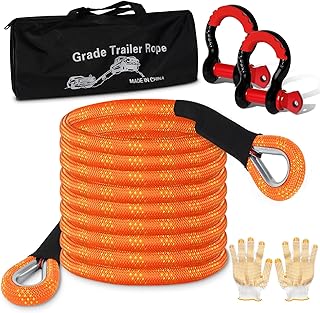
Navigating the Best Shackles Choices for Enthusiasts in 2026
For outdoor enthusiasts and professionals alike, selecting the right shackles is critical for ensuring safety and performance in various applications. As we step into 2026, the market is flooded with options that cater to a wide array of uses, from recreational activities such as climbing and sailing to industrial applications. Understanding the differences can help you make an informed decision that meets your specific needs.
Types of Shackles
Shackles are versatile connectors that can be used to join lengths of rope, chain, or other equipment. The main types of shackles available in 2026 include D shackles, bow shackles, and screw pin shackles. D shackles are known for their strength and efficiency, making them ideal for heavy-duty applications. Bow shackles, on the other hand, offer a wider connection point, making them suitable for multi-directional loads. Screw pin shackles provide an additional layer of security, as the pin can be easily secured or removed, which is beneficial for applications requiring frequent assembly and disassembly.
Material Considerations
The material from which a shackle is made directly impacts its performance, durability, and weight. In 2026, the most common materials used in shackles are stainless steel, alloy steel, and aluminium. Stainless steel shackles are favoured for their corrosion resistance and longevity, making them suitable for marine environments. Alloy steel shackles are recognised for their high strength-to-weight ratio, which is particularly advantageous in situations where weight is a concern. Additionally, aluminium shackles are lightweight and resistant to rust, making them a popular choice for recreational activities where portability is essential.
People Also Look For:
- D Shackles 4 x 8mm Galvanised M8 x 640 Handy Straps
- Belle Vous M15 2 Pack Stainless Steel D Ring Screw Shackles with Pins - 1.5cm Thick and 1600kg Capacity - For Marine Mounting, Cam...
- VEVOR 3/4" D-Ring Shackle, 2 Pack Alloy Steel Shackles 66139 lbs (30 Ton) Break Strength with 7/8" Screw Pin, Isolators & Washers,...
- FreeTec 3/4 Inch Bow Shackles D Ring Shackles, 4.75 Tons (9,500 Lbs) Heavy Duty Galvanized Lifting Shackles, 2 Pack Screw Pin D Sh...
- CHENKEE Snap Swivel Shackle, 2 pcs Heavy Duty Snap Shackle Stainless Steel Swivel Eye Snap Shackle Quick Release Marine Swivel Sha...
Load Ratings and Safety Factors
When choosing a shackle, it is vital to consider the load rating, which indicates the maximum weight the shackle can safely handle. Most shackles will have a Working Load Limit (WLL) clearly marked on their body. In 2026, enthusiasts should also be aware of the importance of safety factors. A safety factor of at least five to one is generally recommended, meaning that the shackle should be able to handle five times the anticipated load. This precautionary measure ensures that even in the event of unexpected stresses, the shackle will perform safely.
Applications and Best Practices
Shackles are used in a variety of applications, and understanding the specific requirements of your activity can help you choose the best option. For instance, climbers should opt for shackles specifically designed for climbing, as they are tested for dynamic loads. Similarly, in marine applications, it is crucial to select shackles that are specifically rated for saltwater use to prevent premature corrosion. Additionally, it is advisable to regularly inspect shackles for signs of wear or damage, as compromised shackles can lead to catastrophic failures.
Innovations in Shackle Design
The year 2026 has seen significant advancements in shackle design and technology. Manufacturers are now incorporating enhanced locking mechanisms and lightweight materials that maintain strength while reducing weight. Some shackles now feature integrated safety locks that prevent accidental opening, providing peace of mind for users. Furthermore, the rise of smart shackles equipped with sensors to monitor load and condition is paving the way for more informed usage, particularly in industrial contexts.
Choosing the Right Shackle
With the plethora of options available, choosing the right shackle can be daunting. It is essential to assess the specific requirements of your activity, including the load type and environmental conditions. Consulting with experts and reading reviews can also provide insight into the best choices available on the market. Additionally, attending trade shows and workshops focused on outdoor and industrial equipment can offer valuable hands-on experience with various shackle types.