Discover the Best Shackles for Safety and Performance in 2026
As we progress into 2026, the importance of utilising high-quality shackles in various industries cannot be overstated. Whether for construction, maritime, or recreational purposes, the right shackle ensures safety and performance. This article delves into the key features to look for in shackles and highlights some of the best options available this year.
Understanding Shackles
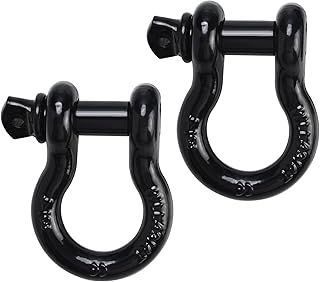
Shackles are essential components in rigging and lifting operations, designed to connect various parts of a system, such as ropes and chains. They come in various shapes and sizes, each suited for specific applications. The most common types include bow shackles and D shackles. Bow shackles offer a wider connection point, making them ideal for multi-directional loads, while D shackles are typically used for more linear applications. With advancements in materials and engineering, the shackles of 2026 are more robust and reliable than ever.
Key Features to Consider
When selecting a shackle, several factors should be considered to ensure optimal safety and performance. The first is the material. Shackles are typically made from steel, aluminium, or synthetic materials, each offering unique benefits. Steel shackles are known for their strength and durability, making them suitable for heavy-duty applications. Aluminium shackles are lighter and resistant to corrosion, ideal for marine environments. Synthetic shackles, made from high-strength fibres, offer advantages in terms of weight and safety, as they do not conduct electricity and are less likely to cause injury upon failure.
Another critical feature is the working load limit (WLL). This indicates the maximum load that a shackle can safely handle. It is vital to choose a shackle with a WLL that exceeds the anticipated load to ensure safety during operation. Additionally, pay attention to the safety factor, which is the ratio of the shackle's ultimate strength to its WLL. A higher safety factor provides greater assurance against unexpected loads.
People Also Look For:
- KOHAND 6 Pcs M10 D Shackle, 3/8 Inch Stainless Steel D Shape Ring Shackle with Screw Pin Anchor, Heavy Duty Clevis Marine Shackle ...
- VEVOR 3/4" D-Ring Shackle, 2 Pack Alloy Steel Shackles 66139 lbs (30 Ton) Break Strength with 7/8" Screw Pin, Isolators & Washers,...
- 10PCS M6 Stainless Steel D Shackle Set – Heavy Duty Link Hook Shackle with Screw Pins – Thick D-Shackles Lock Riggin...
- Ronyme Towing Hooks Mount Drag Hook Connector for ATV SUV Cars, Gray
- 10PCS M6 Stainless Steel D Shackle Set – Heavy Duty Link Hook Shackle with Screw Pins – Thick D-Shackles Lock Riggin...
Top Shackles for 2026
Among the best shackles available in 2026, the following options stand out for their performance and reliability. The first is the Crosby G-209A, a popular choice in the construction industry. Made from high-quality carbon steel, this D shackle has a WLL of up to 2,600 kg and features a hot dip galvanised finish for corrosion resistance.
Next, the Wichard 7156 Bow Shackle is an excellent option for marine applications. Constructed from stainless steel, this shackle provides outstanding resistance to corrosion and has a WLL of 1,500 kg. Its bow shape allows for multiple connections, making it versatile for various rigging scenarios.
For those seeking a lightweight yet robust solution, the Blue Water Ropes Synthetic Shackle is worth considering. Made from Dyneema, this synthetic shackle offers a WLL of 3,500 kg while being significantly lighter than traditional steel options. Its unique properties also ensure that it will not scratch or damage other equipment during use.
Innovative Technology in Shackles
The year 2026 has also seen innovations in shackle technology, particularly with the integration of smart features. Some shackles now come equipped with load monitoring systems that provide real-time data on the loads they are experiencing. This can significantly enhance safety by allowing operators to make informed decisions during lifting operations.
Additionally, advancements in manufacturing processes have led to the development of shackles that are not only stronger but also more resilient to environmental factors. These improvements ensure that shackles can withstand extreme conditions, whether in harsh weather or corrosive environments.
Best Practices for Shackle Use
To maximise the safety and effectiveness of shackles, it is essential to follow best practices during their use. Always inspect shackles for signs of wear, deformation, or corrosion before each use. Proper storage is also crucial; shackles should be kept in a dry place, away from direct sunlight and extreme temperatures. Furthermore, ensure that shackles are used according to their specifications and that the correct type is chosen for the intended application. By adhering to these guidelines, users can significantly enhance safety and operational efficiency.