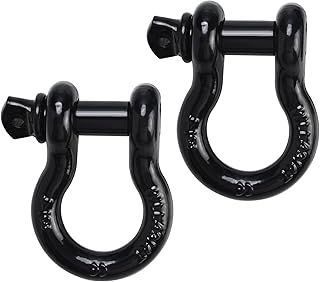
Essential Guide to the Most Popular Shackles for 2026
As we move into 2026, the demand for reliable and robust shackles continues to grow across various industries. Shackles are vital components in lifting, rigging and securing applications, making it essential to choose the right type for your needs. In this guide, we will explore the most popular shackles available in 2026, their specifications and applications, ensuring that you make informed decisions for your projects.
Types of Shackles
Shackles come in various types, each designed for specific applications and load requirements. The most common types include D shackles, bow shackles, and screw pin shackles. Understanding the differences between these types is crucial to selecting the appropriate shackle for your application.
D shackles, also known as chain shackles, are characterised by their D-shaped design and are widely used in rigging applications. They offer high strength and durability, making them ideal for heavy lifting tasks. Bow shackles, on the other hand, feature a wider shape that allows for multiple connections, making them versatile for various rigging configurations. They are particularly useful in applications that require load sharing among multiple lines.
Screw pin shackles are designed with a removable pin that allows for easy attachment and detachment. They are commonly used in situations where quick changes are necessary, but it is important to ensure that the pin is secured to prevent accidental disengagement. In contrast, safety pin shackles come with a locking mechanism that provides an added layer of security, making them suitable for critical lifting operations.
People Also Look For:
- Bow Shackle Rigging Marine Stainless Steel 316 A4 Shackles 4mm 5mm 6mm 8mm 10mm (2, 5mm)
- 4mm D Ring Shackles M4-304 Stainless Steel Heavy Duty Safety Lock, D-Shape Bow Shackle for Chains/Wire Rope/Lifting, Marine & Outd...
- KOHAND 6 Pcs M10 D Shackle, 3/8 Inch Stainless Steel D Shape Ring Shackle with Screw Pin Anchor, Heavy Duty Clevis Marine Shackle ...
- WINCHMAX Swivel Recovery Eye. Stainless Steel for WInch Bumper Including 4.5 Ton ¾ Inch Shackle
- 10PCS M6 Stainless Steel D Shackle Set – Heavy Duty Link Hook Shackle with Screw Pins – Thick D-Shackles Lock Riggin...
Material and Strength Ratings
The material of a shackle significantly influences its strength and durability. Common materials used for shackles include stainless steel, alloy steel, and galvanised steel. Stainless steel shackles are highly resistant to corrosion and are ideal for marine applications where exposure to saltwater is a concern. Alloy steel shackles provide superior strength and are often used in heavy-duty applications, while galvanised steel shackles offer a cost-effective solution with decent corrosion resistance.
Shackles are also rated based on their working load limit, which indicates the maximum load that a shackle can safely support during use. Understanding these ratings is vital for ensuring safety and preventing equipment failure. Always choose a shackle with a working load limit that exceeds your anticipated loads to account for dynamic forces and potential shock loads.
Applications of Shackles
Shackles are used in a wide range of applications across various industries. In construction, they play a crucial role in lifting heavy materials and securing loads during transport. In the marine sector, shackles are essential for mooring and towing operations, providing secure connections for ropes and chains. Their versatility also extends to recreational activities such as sailing and climbing, where safety is paramount.
In the oil and gas industry, shackles are frequently used in rigging and lifting operations on offshore platforms. The harsh environmental conditions require shackles that can withstand extreme temperatures and corrosive substances. Therefore, selecting the right material and type of shackle is critical in these applications.
Choosing the Right Shackle
When selecting a shackle, several factors must be considered, including the type of load, environmental conditions and the specific requirements of your application. It is essential to assess the weight and type of load you will be lifting, as well as any dynamic forces that may be involved. Additionally, consider the working environment and potential exposure to corrosive elements or extreme temperatures.
Another important aspect is the compatibility of the shackle with other rigging equipment. Ensure that the shackle fits correctly with the connectors, slings and other components in your rigging system to maintain safety and efficiency. Always consult manufacturer guidelines and industry standards to ensure compliance and optimal performance.
As we delve deeper into the world of shackles, it is essential to explore the innovations and advancements that have emerged in 2026. Many manufacturers are investing in research and development to produce lightweight, high-strength shackles that improve efficiency and safety. The advent of smart shackles, equipped with sensors to monitor load and performance, is also on the horizon, promising to revolutionise the rigging industry...