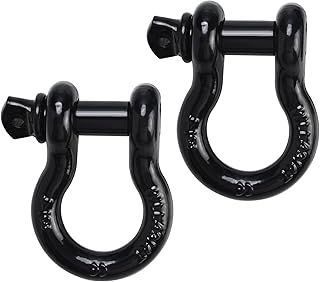
Explore the Leading Shackles of 2026 for Every Application
As we venture into 2026, the importance of robust and reliable shackles in various industries cannot be overstated. Shackles serve as critical components in lifting and rigging applications, providing safety and efficiency in operations. With advancements in materials and technology, the shackles of 2026 are designed to cater to a wide range of needs, from heavy-duty construction to marine applications.
The Evolution of Shackles
The evolution of shackles has seen significant changes over the years, leading to enhanced performance and safety features. In 2026, manufacturers are focusing on lightweight materials such as high-strength alloys and composites, which offer superior strength-to-weight ratios. This shift not only improves the ease of handling but also increases the overall load capacity, making shackles more versatile than ever before.
Types of Shackles
Various types of shackles are available in the market, each designed for specific applications. Bow shackles remain popular due to their versatility, providing ample space for multiple connections. D shackles, on the other hand, are preferred for their strength and compact design, making them ideal for high-load applications. In 2026, manufacturers are also introducing innovative designs, such as screw pin and safety pin shackles, which enhance security during lifting operations.
People Also Look For:
- Retec 4 PCS D Shackle M8 D Links Hook Shackle Clip 304 Stainless Steel D Ring Shackle Lock Screw Shackles for Heavy Duty Rigging, ...
- Stainless Steel D Shackle A4 316 Marine Grade - Other Sizes/Quantities Available - (M4, 4)
- KOHAND 6 Pcs M10 D Shackle, 3/8 Inch Stainless Steel D Shape Ring Shackle with Screw Pin Anchor, Heavy Duty Clevis Marine Shackle ...
- VEVOR 3/4" D-Ring Shackle, 2 Pack Alloy Steel Shackles 66139 lbs (30 Ton) Break Strength with 7/8" Screw Pin, Isolators & Washers,...
- sourcing map Heavy Duty M10 Double Swivel Eye Hook, 304 Stainless Steel Ended Jaw x Jaw Chain Swivel Shackle Ring Connector Load 6...
Key Features to Consider
When selecting shackles for any application, certain key features should be taken into account. Load rating is paramount, as it determines the maximum weight the shackle can safely support. In 2026, many shackles come with clearly marked load ratings, often accompanied by certification from recognised standards organisations. Additionally, the material and finish of the shackle play a crucial role in its durability. Shackles made from stainless steel or galvanised materials provide increased resistance to corrosion, making them suitable for harsh environments.
Applications Across Industries
Shackles find applications in a wide range of industries, each with specific requirements. In construction, shackles are essential for lifting heavy materials and equipment. The oil and gas industry also relies heavily on shackles for transporting equipment in offshore settings, where reliability is critical. Furthermore, the marine industry utilises shackles for mooring and anchoring vessels, where strength and durability are indispensable.
Innovations in Safety
Safety is a primary concern when it comes to lifting and rigging operations. In 2026, innovations in shackle design have led to enhanced safety features. Many shackles now come equipped with integrated safety mechanisms, such as locking pins and safety latches, which prevent accidental disengagement during use. Additionally, some manufacturers are incorporating smart technology into shackles, allowing for real-time monitoring of load conditions and structural integrity.
Choosing the Right Shackle
Choosing the right shackle for a specific application requires careful consideration of various factors. It is essential to assess the load requirements, environmental conditions, and the type of connections needed. Consulting with manufacturers and industry experts will provide invaluable insights into selecting the most appropriate shackle for your needs. The advancements in shackle technology in 2026 also make it easier for users to find products that meet their specifications precisely.
Future Trends
Looking ahead, the future of shackles is promising. Manufacturers are continually researching and developing new materials and designs to enhance performance. The integration of digital technology is also expected to play a significant role, providing users with data-driven insights to optimise their lifting operations. As we progress through 2026, staying informed about these trends will be crucial for professionals across various sectors.