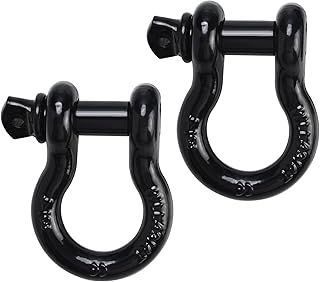
Exploring the Must Have Shackles for Every Use in 2026
Shackles are a fundamental component in rigging and lifting applications, offering the strength and reliability needed for a multitude of tasks. As we move into 2026, the importance of selecting the right shackle for the job cannot be overstated. With advancements in technology and materials, the shackles available today are more versatile and durable than ever before. This article will explore the must have shackles for every use, ensuring that you are well informed for your lifting and rigging needs.
Types of Shackles
Shackles come in various types, each designed for specific applications. The most common types include bow shackles, D shackles, and screw pin shackles. Bow shackles are designed to accommodate multiple loads and offer a wider space for connections, making them ideal for applications that require flexibility. D shackles, on the other hand, are more suited for straight line pulls and are known for their compact design. Screw pin shackles provide a secure connection with a removable pin, allowing for easy assembly and disassembly.
Materials and Strength Ratings
The material of a shackle is critical to its performance and longevity. In 2026, the most common materials used for shackles are stainless steel, carbon steel, and alloy steel. Stainless steel shackles are particularly popular due to their resistance to corrosion, making them suitable for marine and outdoor applications. Carbon steel shackles are often used in heavier lifting scenarios due to their high strength-to-weight ratio. However, alloy steel shackles are the strongest option available, offering exceptional durability for the most demanding tasks.
People Also Look For:
- D Bow Ring Shackle Locks, 304 Stainless Steel D Ring, Screw Pin Anchor Shackle for Traction Steel Wire, Heavy Duty Construction, R...
- CHENKEE Snap Swivel Shackle, 2 pcs Heavy Duty Snap Shackle Stainless Steel Swivel Eye Snap Shackle Quick Release Marine Swivel Sha...
- D Ring Shackles, 3/8 Inch, silvery, 2 Pack – Heavy Duty Forged with 1 Ton Capacity
- D Bow Ring Shackle Locks, 304 Stainless Steel D Ring, Screw Pin Anchor Shackle for Traction Steel Wire, Heavy Duty Construction, R...
- 4PCS M8 D Shackle Heavy Duty, Screw Pin Shackle M8 5/16", 304 Stainless Steel D Ring Shackle Lock for Marine Mounting, Camping, Sp...
Choosing the Right Shackle for Your Application
When selecting a shackle, it is essential to consider the specific requirements of your application. Factors such as load capacity, environmental conditions, and the type of connection needed will dictate the best choice. For example, if you are working in a marine environment, a stainless steel shackle would be preferable to prevent rust and degradation. On the other hand, for industrial applications where heavy loads are involved, an alloy steel shackle may be the best option due to its superior strength.
Safety Considerations
Safety is paramount when using shackles. It is crucial to adhere to the recommended load capacities and to regularly inspect shackles for signs of wear or damage. In 2026, the use of safety features such as locking mechanisms and safety pins is increasing. These features help prevent accidental disconnections during use, enhancing overall safety. Additionally, understanding the correct way to attach and use shackles is essential to prevent failure during lifting operations.
Innovations in Shackle Design
The shackle industry is continuously evolving, and 2026 has seen several innovations in shackle design. New materials and manufacturing techniques have made shackles lighter yet stronger, improving efficiency in lifting operations. Furthermore, advancements in smart technology are beginning to influence shackle design, with some models now incorporating sensors that monitor load and stress in real-time. This technology can provide valuable data, helping operators make informed decisions and enhancing safety during lifting operations.
Applications of Shackles
Shackles are used in a wide range of applications across various industries. From construction and shipping to recreational activities such as boating and climbing, the versatility of shackles makes them indispensable. In construction, shackles are often used to connect lifting slings to cranes and other lifting devices. In the maritime industry, they are essential for securing loads during transit. Recreational users rely on shackles for safety and reliability during climbing or sailing adventures.
Best Practices for Using Shackles
To ensure the longevity and effectiveness of shackles, it is important to follow best practices during usage. Always check the manufacturer's specifications for load limits and recommended applications. Ensure that shackles are correctly sized for the components they will connect to, and avoid overloading them beyond their rated capacity. Regular maintenance, including cleaning and inspections for corrosion or deformation, will help prolong the life of your shackles and ensure safe operations.