Shackles 101 A Comprehensive Guide to Choosing the Right Type for Your Needs
Shackles 101: A Comprehensive Guide to Choosing the Right Type for Your Needs
When it comes to lifting and rigging applications, shackles are an essential component. They are used to connect lifting slings, wire ropes, and other rigging hardware to the load being lifted. However, with so many different types of shackles available on the market, choosing the right one for your specific needs can be a daunting task. In this guide, we will walk you through everything you need to know about shackles and help you select the best type for your lifting requirements.
Types of Shackles
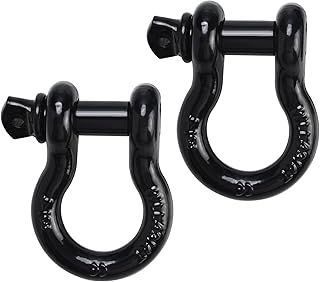
There are two main types of shackles: anchor shackles (also known as bow shackles) and chain shackles (also known as D shackles). Anchor shackles have a larger, rounded bow shape, making them ideal for multi-dimensional loads, while chain shackles have a D-shaped design that allows them to handle straight-line pulls more effectively. Both types of shackles come in a variety of sizes and materials, including carbon steel, alloy steel, and stainless steel.
Factors to Consider
When selecting the right shackle for your needs, there are several factors to consider:
Load Capacity
One of the most important considerations when choosing a shackle is its load capacity. You must select a shackle that can safely handle the weight of the load you are lifting. Be sure to account for any dynamic loading or shock loading that may occur during the lifting operation.
People Also Look For:
- Quick Link, Ekunbuy 304 Stainless Steel Heavy Duty Clips Chain Connector Repair Link Buckle for Swing Outdoor Camping
- D Bow Ring Shackle Locks, 304 Stainless Steel D Ring, Screw Pin Anchor Shackle for Traction Steel Wire, Heavy Duty Construction, R...
- Bow Shackle Rigging Marine Stainless Steel 316 A4 Shackles 4mm 5mm 6mm 8mm 10mm (2, 5mm)
- VEVOR Synthetic Soft Shackle, 1/2" x 22" (2 Pack) 44092 lbs (20 Ton) Breaking Strength Recovery Tow Shackles with Extra 2 Sleeves ...
- Shackle D Shape, 12Pcs M4 D Ring Shackles, Stainless Steel M4 D Ring Screw Shackles with Pins, 304 stainless steel D ring Shackle,...
Material
The material of the shackle is another crucial factor to consider. Carbon steel shackles are the most economical option but are not suitable for use in corrosive environments. Alloy steel shackles offer increased strength and durability, making them ideal for heavy-duty applications. Stainless steel shackles are corrosion-resistant and are best suited for marine and outdoor use.
Size and Pin Type
Shackles come in various sizes, ranging from 1/4 inch to several inches in diameter. The size of the shackle you choose should be compatible with the size of the lifting equipment being used. Additionally, you will need to decide whether you prefer a screw pin, bolt-type pin, or round pin for securing the shackle.
Working Environment
The working environment in which the shackle will be used is another important consideration. If the shackle will be exposed to harsh conditions, such as high temperatures, chemicals, or saltwater, you will need to select a shackle that is designed to withstand these challenges.
Types of Loads
Consider the type of loads you will be lifting with the shackle. If you will be lifting loads with sharp edges, such as steel beams or pipes, you will need to choose a shackle with a wider bow to prevent damage to the load-bearing surface.
Choosing the Right Shackle
Once you have considered all of these factors, you can confidently select the right shackle for your needs. Whether you are lifting heavy machinery in a warehouse or securing a boat to a dock, choosing the appropriate shackle is essential for the safety and success of your lifting operation.
At shackles.co.uk, we offer a wide range of high-quality shackles in various sizes and materials to suit your specific requirements. Our team of experts is always available to provide guidance and assistance in selecting the right shackle for your lifting and rigging needs. Contact us today to learn more about our products and services.