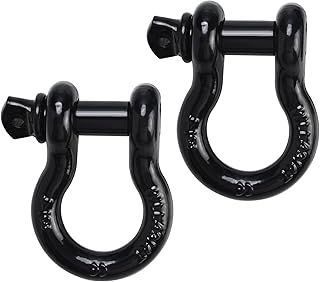
Shackles The Unsung Heroes of the Construction Industry
8. Shackles: The Unsung Heroes of the Construction Industry
When it comes to construction projects, there are certain tools and equipment that are essential for getting the job done efficiently and safely. One such piece of equipment that often goes unnoticed but plays a crucial role in lifting and securing heavy loads is the shackle.
The Importance of Shackles in Construction
Shackles are U-shaped pieces of metal with a pin or bolt across the opening, creating a secure connection point for attaching ropes, cables, chains, or other lifting devices. They come in various shapes, sizes, and materials, each designed for specific lifting and rigging applications.
One of the primary functions of shackles in construction is to provide a reliable connection between the load and the lifting equipment, such as cranes or hoists. This connection is crucial for maintaining the stability and safety of the load during lifting and moving operations.
Shackles are commonly used in construction for lifting heavy materials, securing scaffolding, and anchoring structures. They are also essential for connecting various components of a rigging system, ensuring that the load is properly balanced and supported.
Types of Shackles
There are several types of shackles available in the market, each designed for specific applications:
1. Screw Pin Shackles: These shackles have a removable pin that screws into the shackle body, making them easy to install and remove. They are commonly used for non-permanent applications where frequent attachment and detachment are required.
2. Bolt Type Shackles: Bolt type shackles have a bolt and nut closure, providing a more secure connection compared to screw pin shackles. They are suitable for heavy-duty lifting operations that require extra safety measures.
People Also Look For:
- 6mm Bow Shackles Stainless Steel A4-Marine Grade (316) - for connecting Ropes, Anchors and Chains (Pack of 4)
- 4PCS D Shackle, Heavy-Duty 304 Stainless Steel D Ring, Durable M8 D-Type Load-Bearing Hook Ring, Used for Towing/Installation/Camp...
- Belle Vous 10 Pack Stainless Steel M6 D Ring Screw Shackles with Pins - Heavy Duty Shackles - 5.7mm Thick and 220kg Capacity - For...
- FreeTec 3/4 Inch Bow Shackles D Ring Shackles, 4.75 Tons (9,500 Lbs) Heavy Duty Galvanized Lifting Shackles, 2 Pack Screw Pin D Sh...
- D Bow Ring Shackle Locks, 304 Stainless Steel D Ring, Screw Pin Anchor Shackle for Traction Steel Wire, Heavy Duty Construction, R...
3. Bow Shackles: Bow shackles have a larger, rounded shape that allows for more room to accommodate multiple connection points. They are ideal for applications where multiple lifting points are needed, such as lifting beams or spreader bars.
4. D Shackles: D shackles have a D-shaped design that provides a strong and secure connection for straight-line pulls. They are commonly used for lifting and towing applications where a straight pull is required.
Benefits of Using Shackles
There are several benefits to using shackles in construction:
1. Strength and Durability: Shackles are made from high-quality materials such as alloy steel or stainless steel, ensuring they can withstand heavy loads and harsh working conditions.
2. Versatility: Shackles come in various sizes and designs, making them suitable for a wide range of lifting and rigging applications in construction.
3. Safety: Shackles provide a secure connection between the load and the lifting equipment, reducing the risk of accidents and injuries on the job site.
4. Easy to Use: Shackles are simple to install and remove, making them a convenient and reliable tool for construction workers.
Choosing the Right Shackle for Your Project
When selecting shackles for your construction project, it is essential to consider the following factors:
1. Load Capacity: Choose a shackle that has a sufficient load capacity to handle the weight of the load you will be lifting.
2. Material: Select a shackle made from a durable material that can withstand the conditions of your work environment.
3. Design: Choose a shackle design that is suitable for your specific lifting and rigging requirements, such as bow shackles for multiple connection points or D shackles for straight-line pulls.
4. Safety Standards: Ensure that the shackles you choose meet industry safety standards and regulations to prevent accidents and ensure compliance with workplace safety guidelines.
Conclusion
Shackles may be small in size, but they play a significant role in the construction industry by providing a secure and reliable connection for lifting and rigging operations. By choosing the right shackle for your project and following safety guidelines, you can ensure the success and safety of your construction operations.