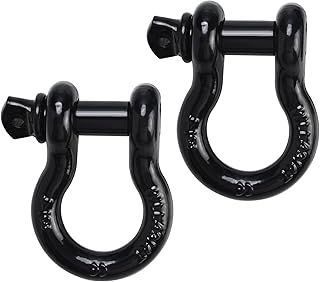
Shackles Unlocked Discovering the Best Options for 2026
As we approach the year 2026, the landscape of shackles and their applications is evolving at an unprecedented pace. From industrial uses to personal safety equipment, the options available are expanding, unlocking new possibilities for various sectors. This article delves into the most promising shackles and their innovative uses that will define the coming years.
The Importance of Selecting the Right Shackle
When considering shackles, one must understand the critical role they play in safety and reliability. The correct selection can greatly impact performance and integrity in various applications. Whether in construction, marine, or personal safety, the right shackle not only ensures the secure connection of components but also enhances overall efficiency. As we move towards 2026, advancements in materials and technology are leading to improvements in the design and functionality of these essential tools.
Materials and Innovations Shaping the Future
The materials used in shackle production are crucial for their strength and durability. Traditional steel shackles are being complemented by innovative materials such as aluminium and composite materials. These alternatives offer benefits such as reduced weight and increased resistance to corrosion, making them ideal for marine applications. In addition, advancements in manufacturing processes, such as 3D printing, are allowing for the production of highly customised shackles tailored to specific needs. This trend is particularly significant for industries that require unique specifications.
People Also Look For:
- 10PCS M6 Stainless Steel D Shackle Set – Heavy Duty Link Hook Shackle with Screw Pins – Thick D-Shackles Lock Riggin...
- 6mm Bow Shackles Stainless Steel A4-Marine Grade (316) - for connecting Ropes, Anchors and Chains (Pack of 4)
- FreeTec 3/4†Bow Shackles D Ring Shackles, 4.75 Tons (9,500 Lbs) Heavy Duty Galvanized Lifting Shackles, 2 Pack Screw Pin D ...
- Stainless Steel D Shackle A4 316 Marine Grade - Other Sizes/Quantities Available - (M4, 4)
- D Ring Shackle Lock-M12/0.47", 304 Stainless Steel D Ring for Heavy Duty Construction, Rigging, Vehicle Recovery, Hauling, Tie Dow...
Types of Shackles to Consider in 2026
As we look to 2026, various types of shackles are gaining attention for their unique capabilities. Bow shackles are highly versatile and can accommodate multiple connections, making them a favourite in lifting applications. D shackles, known for their strength, are often used in heavy lifting scenarios and are integral to rigging setups. Quick-release shackles are also becoming increasingly popular, especially in situations where time is of the essence, allowing for rapid connection and disconnection.
Safety Features and Standards
Safety remains paramount when selecting shackles, and manufacturers are responding by integrating advanced safety features. The inclusion of safety locks and indicators that signal secure closure are becoming standard. Compliance with international safety standards is essential, and as we approach 2026, industry regulations are likely to become even more stringent. Understanding these standards will be crucial for businesses looking to ensure that their equipment meets the required safety benchmarks.
Applications Across Industries
The applications of shackles are vast and varied. In the construction sector, they are indispensable for lifting and securing loads. The marine industry relies heavily on shackles for anchoring and towing, where the strength and reliability of connections are vital. In recreational and outdoor activities, such as climbing and sailing, the demand for lightweight and durable shackles is on the rise. As we move forward, it is critical to stay informed about the latest trends and products in these sectors to ensure safety and efficiency.
Future Trends in Shackle Technology
Looking ahead, the integration of smart technology into shackles is an exciting development. The potential for shackles equipped with sensors that can monitor load weight and stress levels in real-time is on the horizon. Such advancements could revolutionise how industries manage safety and efficiency, offering insights that were previously unattainable. Additionally, the focus on sustainability is prompting manufacturers to explore eco-friendly materials and processes, aligning with global efforts to reduce carbon footprints.
Conclusion
As we explore the best options for shackles in 2026, it is evident that innovation and safety are at the forefront of this industry. The continuous development of new materials, designs, and technologies promises to enhance the functionality and reliability of shackles across various applications. Keeping abreast of these changes will be essential for professionals in all relevant sectors.