Shackles vs Chains Which is Better for Your HeavyDuty Lifting Needs
Shackles vs. Chains: Which is Better for Your Heavy-Duty Lifting Needs?
When it comes to heavy-duty lifting, choosing the right equipment is crucial to ensure safety and efficiency. Shackles and chains are two common options for lifting and rigging operations, each with its own set of advantages and disadvantages. In this article, we will compare shackles and chains to help you determine which is better suited for your specific lifting needs.
Shackles
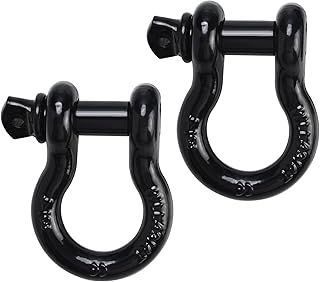
Shackles are U-shaped pieces of metal with a clevis pin or bolt across the opening. They are typically used to connect lifting slings, hooks, and other rigging components to the load being lifted. Shackles come in various sizes and weight capacities to accommodate different lifting requirements. One of the main advantages of shackles is their versatility - they can be used in a wide range of lifting applications and are easy to attach and detach from the load.
There are two main types of shackles: screw pin shackles and bolt-type shackles. Screw pin shackles are convenient for quick and easy attachment but may require periodic retightening to ensure a secure connection. Bolt-type shackles, on the other hand, have a more secure locking mechanism but may take longer to attach and detach.
Shackles are commonly made of high-strength steel or alloy materials to withstand heavy loads and harsh working conditions. They are designed to provide a strong and reliable connection between rigging components, ensuring the safety of the lifting operation.
Chains
Chains are another popular option for heavy-duty lifting applications. They consist of metal links connected together to form a flexible and durable lifting mechanism. Chains come in various sizes, grades, and configurations to accommodate different lifting requirements. One of the main advantages of chains is their ability to handle extremely heavy loads and provide a high level of durability and resistance to wear and tear.
People Also Look For:
- Akamino 15 Pcs M6 D Ring Shackles, Heavy Duty Stainless Steel D Link Hook Shackles with Screw Pins, Thick D-Shackles Lock for Camp...
- M12 D Shackles with Screw Lock (Pack of: 2) Heavy Duty Steel Durable Hook Ring for Towing and Outdoor Activities DIYUK
- 8 Pcs M5 D Shackles Galvanized Carbon Steel, 5mm(3/16") D Ring Heavy Duty Screw Pin Shackle with Pins for Marine Mounting Camping ...
- 4PCS M8 D Shackle Heavy Duty, Screw Pin Shackle M8 5/16", 304 Stainless Steel D Ring Shackle Lock for Marine Mounting, Camping, Sp...
- WINCHMAX Swivel Recovery Eye. Stainless Steel for WInch Bumper Including 4.5 Ton ¾ Inch Shackle
Chains are commonly used in applications where a continuous loop is required, such as lifting beams, containers, or other bulky loads. They are also suitable for lifting objects with irregular shapes or surfaces that may not be compatible with other types of lifting equipment.
Chains are typically made of high-strength alloy steel to provide the necessary strength and durability for heavy lifting operations. They are designed to withstand high loads and harsh working conditions, making them ideal for heavy-duty lifting applications.
Comparison
When comparing shackles and chains for heavy-duty lifting needs, there are several factors to consider:
Strength and Load Capacity
Both shackles and chains are designed to handle heavy loads, but chains generally have a higher load capacity than shackles. Chains are commonly used in applications where extremely heavy loads need to be lifted, while shackles are more suitable for lighter to medium-duty lifting operations.
Flexibility and Versatility
Shackles are more versatile and flexible than chains, as they can be easily attached and detached from the load. Chains, on the other hand, are more rigid and may not be as easy to adjust or reposition once in place. Shackles are also available in a wider range of sizes and configurations to accommodate different lifting requirements.
Durability and Longevity
Chains are generally more durable and long-lasting than shackles, as they are designed to withstand heavy loads and harsh working conditions. Shackles may wear out more quickly with frequent use, especially if they are not properly maintained or inspected regularly. Chains are less likely to fail under heavy loads and provide a higher level of safety and reliability for lifting operations.
Cost and Maintenance
Shackles are generally more affordable than chains, making them a cost-effective option for lighter to medium-duty lifting applications. Chains, on the other hand, may require a higher initial investment but offer a longer service life and lower maintenance costs in the long run. Proper maintenance and regular inspections are essential for both shackles and chains to ensure safe and reliable lifting operations.
Ultimately, the choice between shackles and chains for heavy-duty lifting needs will depend on your specific lifting requirements, budget, and preferences. Both options have their own set of advantages and disadvantages, so it's important to carefully consider each factor before making a decision.
At Shackles.co.uk, we offer a wide range of high-quality shackles and chains to meet all your heavy-duty lifting needs. Whether you need a shackle for a light-duty lifting operation or a chain for a heavy-duty application, we have the right lifting equipment for you. Contact us today to learn more about our products and services!