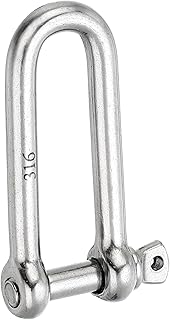
The Top 10 Uses for Shackles in Various Industries
Shackles are essential tools used in a wide range of industries for various applications. These versatile devices come in different shapes, sizes, and materials to suit specific needs. Here are the top 10 uses for shackles in various industries:
1. Construction Industry
In the construction industry, shackles are commonly used for lifting and securing heavy materials. They are essential for connecting chains, ropes, and cables to cranes, hoists, and other lifting equipment. Shackles provide a reliable and secure connection, ensuring the safety of workers and preventing accidents.
2. Maritime Industry
Shackles play a crucial role in the maritime industry for securing cargo, mooring ships, and towing vessels. They are used to connect chains, ropes, and cables for various marine applications, such as anchoring, towing, and lifting heavy loads. Shackles are designed to withstand harsh marine environments and heavy-duty operations.
3. Oil and Gas Industry
In the oil and gas industry, shackles are used for various applications, such as lifting equipment, securing pipelines, and connecting components. They are essential for offshore drilling operations, pipeline construction, and oil rig maintenance. Shackles are designed to withstand high temperatures, corrosive environments, and heavy loads.
People Also Look For:
- Tow Rope 6m20ft,10t (22,000lbs) Heavy Duty Rope with D Shackle Matching Spacer Off-Road Recovery Tow Strap High Strength Tow Ropes...
- Spring Snap Hooks, 304 Stainless Steel Metal Clip Heavy Duty Rope Connector Small Snap Clamp Key Chain Link Buckle for Hammock Swi...
- 6 Pack D Ring Shackle 2.0 Ton (4,000 lbs) Capacity with Screw Pin Heavy Duty Shackles for Tow Strap, Winch, Off-Road Truck Vehicle...
- Pack-of-10 M4 D Bow Ring Shackle Locks 304 Stainless Steel for Heavy Duty Rigging, Hauling, Steel Chain Link
- Akamino 15 Pcs M6 D Ring Shackles, Heavy Duty Stainless Steel D Link Hook Shackles with Screw Pins, Thick D-Shackles Lock for Camp...
4. Mining Industry
Shackles are widely used in the mining industry for lifting and transporting heavy equipment, machinery, and materials. They are essential for connecting chains, ropes, and cables to cranes, hoists, and other lifting devices. Shackles provide a secure and reliable connection, ensuring the safety of workers and preventing accidents.
5. Agriculture Industry
In the agriculture industry, shackles are used for various applications, such as securing livestock, towing trailers, and lifting equipment. They are essential for connecting chains, ropes, and cables to tractors, trucks, and other agricultural machinery. Shackles are designed to withstand outdoor conditions, heavy loads, and rough handling.
6. Automotive Industry
Shackles are commonly used in the automotive industry for towing vehicles, securing cargo, and lifting equipment. They are essential for connecting chains, ropes, and cables to trucks, trailers, and other automotive vehicles. Shackles provide a secure and reliable connection, ensuring the safety of drivers and preventing accidents.
7. Aerospace Industry
In the aerospace industry, shackles are used for various applications, such as securing aircraft components, lifting equipment, and connecting aerospace systems. They are essential for connecting chains, ropes, and cables to aircraft, satellites, and other aerospace vehicles. Shackles are designed to withstand high altitudes, extreme temperatures, and heavy loads.
8. Entertainment Industry
Shackles are used in the entertainment industry for various applications, such as rigging lights, securing stage props, and lifting equipment. They are essential for connecting chains, ropes, and cables to trusses, rigging systems, and other entertainment structures. Shackles provide a secure and reliable connection, ensuring the safety of performers and preventing accidents.
9. Forestry Industry
In the forestry industry, shackles are used for various applications, such as securing logs, towing equipment, and lifting heavy loads. They are essential for connecting chains, ropes, and cables to logging trucks, cranes, and other forestry machinery. Shackles are designed to withstand outdoor conditions, rough handling, and heavy loads.
10. Military and Defense Industry
Shackles play a crucial role in the military and defense industry for various applications, such as securing equipment, lifting vehicles, and connecting military systems. They are essential for connecting chains, ropes, and cables to tanks, aircraft carriers, and other military vehicles. Shackles are designed to withstand combat conditions, extreme environments, and heavy-duty operations.